Physical Address
1 Riverwood Drive
Moncks Corner, SC 29461
Physical Address
1 Riverwood Drive
Moncks Corner, SC 29461

Dusty old books. Bones and relics. Maybe walls of colorful abstract art. We’ve got some of those. But there are also museums of a different color here along the South Carolina coast.
Charleston is steeped in history and features landmarks from the Revolutionary and Civil wars. However, Georgetown, South Carolina’s third-oldest city, has plenty of history itself. It was established where the Black, Great Pee Dee, Waccamaw, Sampit and Winyah rivers converge, making it a wealthy and influential port dating back to early America.
Exploring South Carolina’s Maritime History
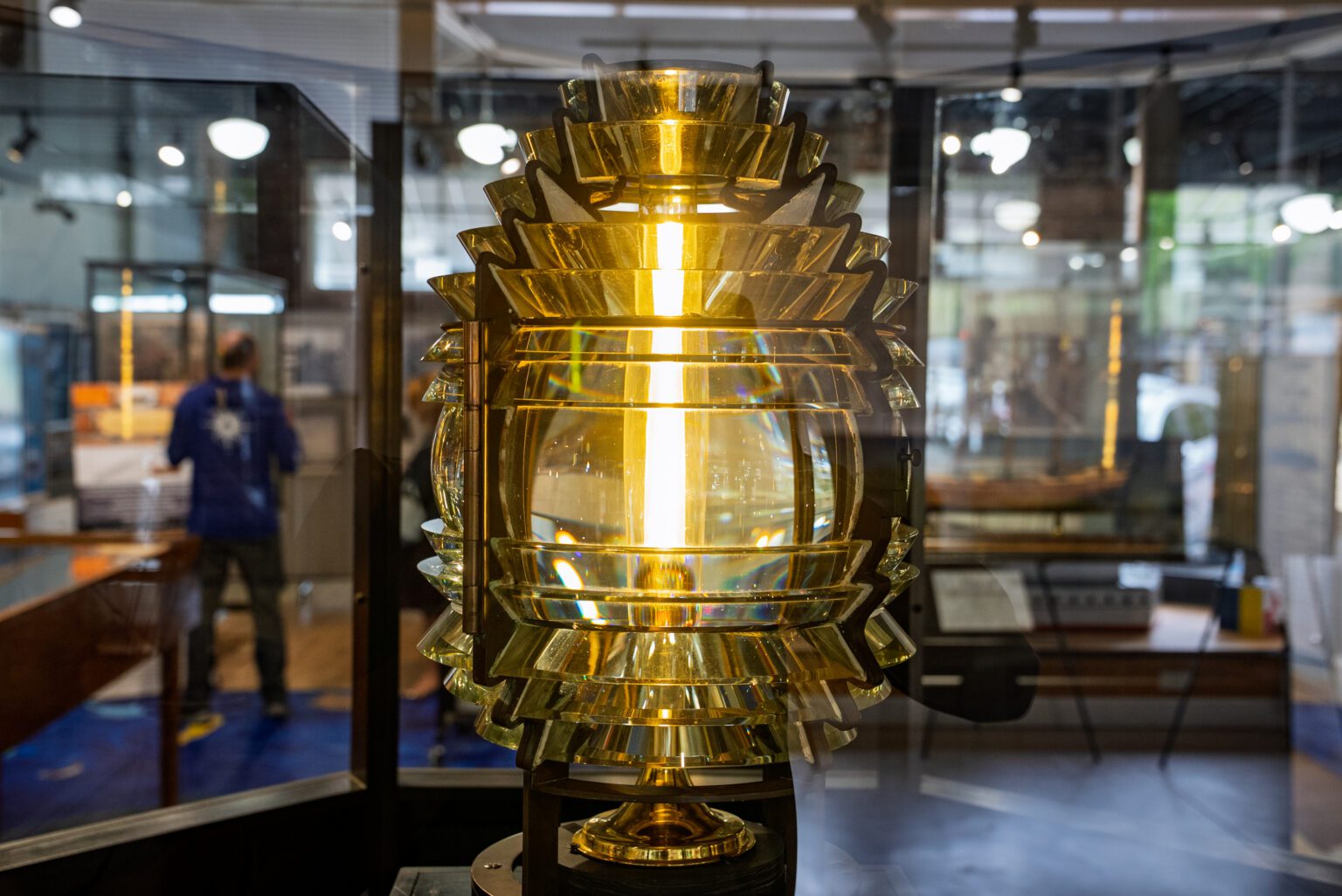
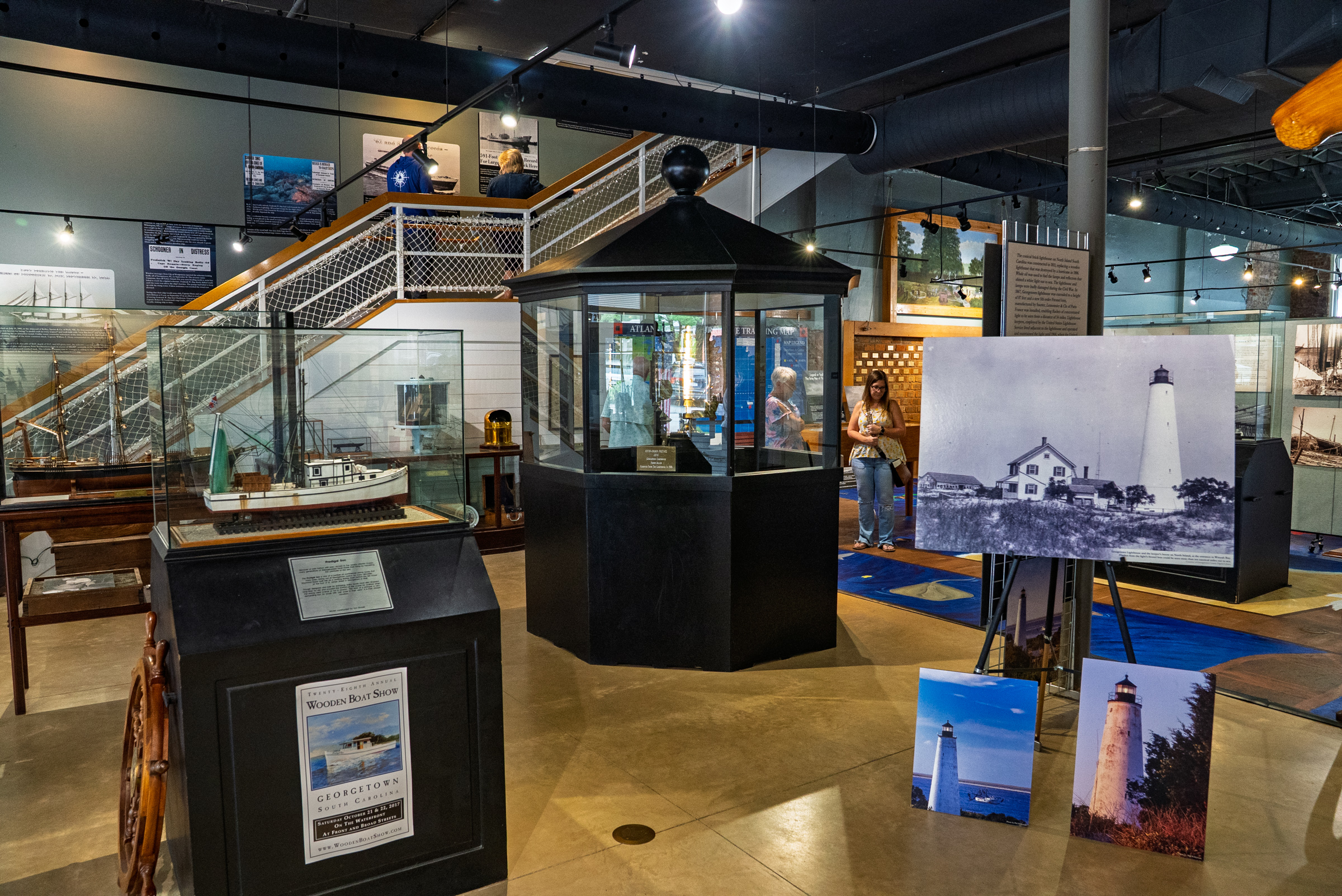
In the center of the city’s downtown, along the historic Riverwalk, is the South Carolina Maritime Museum. Its signature piece is a literal beacon; the Fifth Order Fresnel Lens made in Paris in the 19th century. It revolutionized how lighthouses were lit at the time. The beacon was part of the Georgetown Lighthouse, the oldest lighthouse in South Carolina.
Georgetown, S.C.
The Georgetown Chamber of Commerce opened the South Carolina Maritime Museum in 2006 in only one room. The museum moved into the current building in 2011 and expanded upstairs in 2017.
“This is my second home,” said Justin McIntyre, Curator and Maritime Historian. “I’m privileged to be growing up in the museum as its exploded. We’ve had 20,000 visitors from six or seven countries.”
Subtitle for This Block
Text for This Block
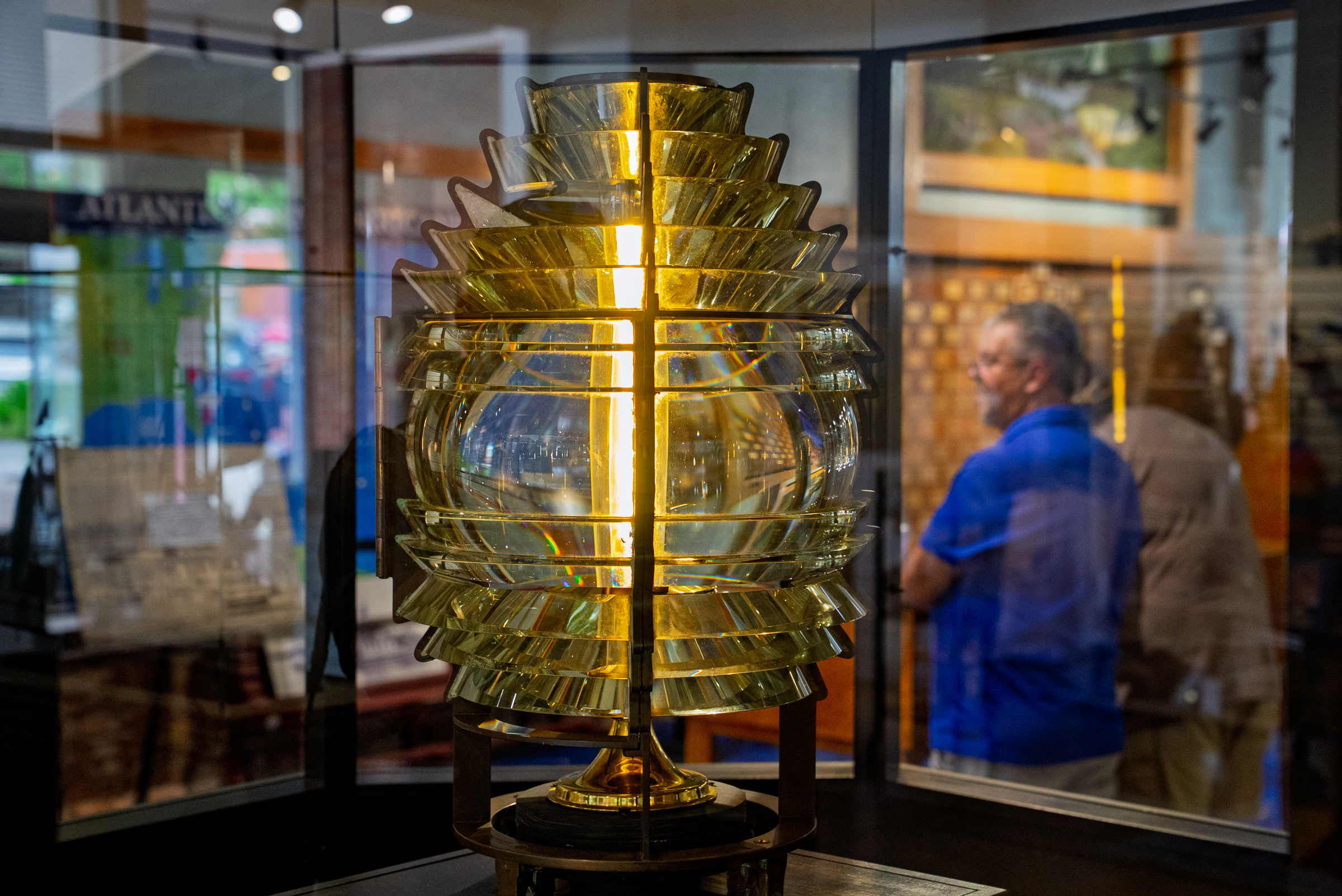
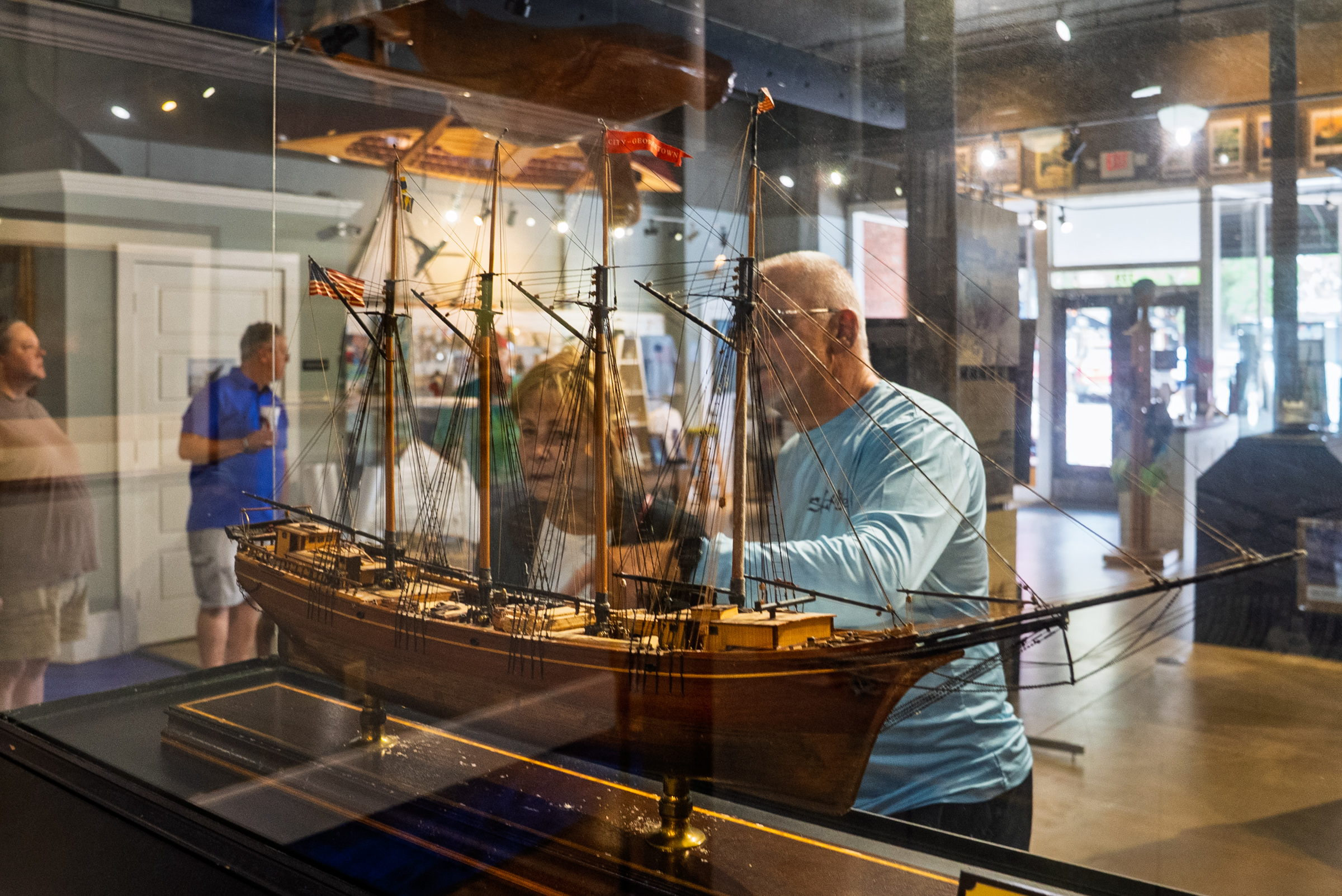
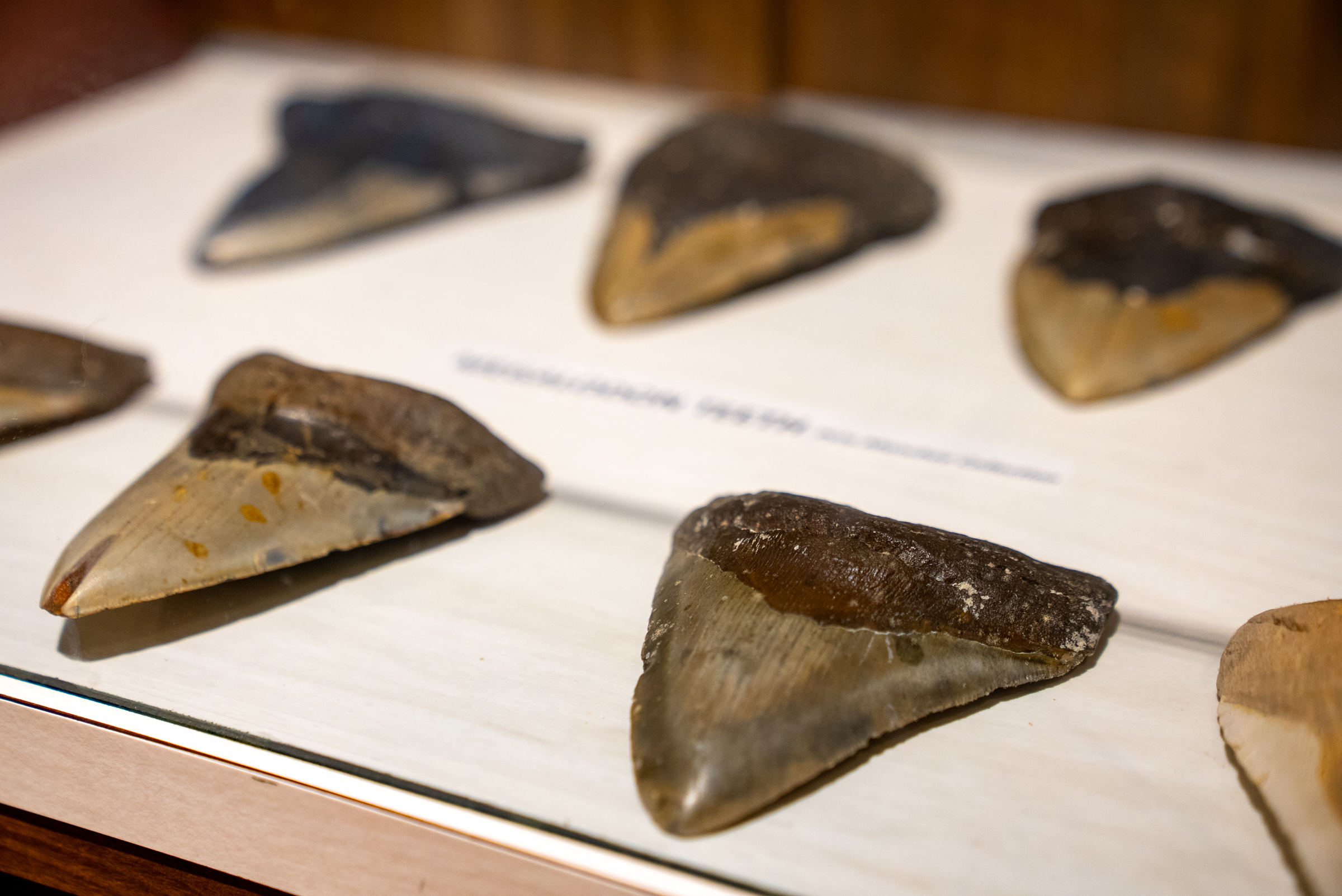
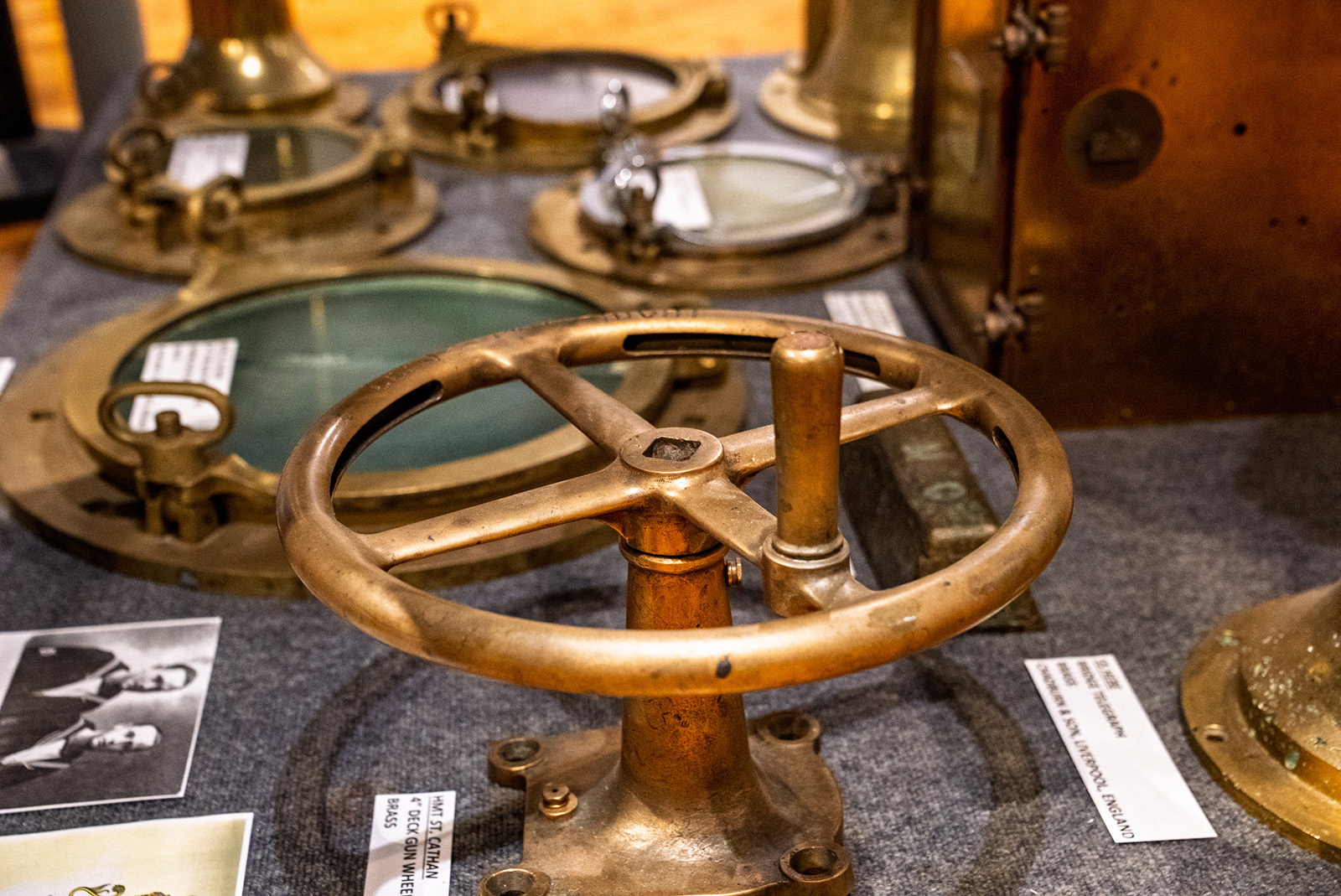
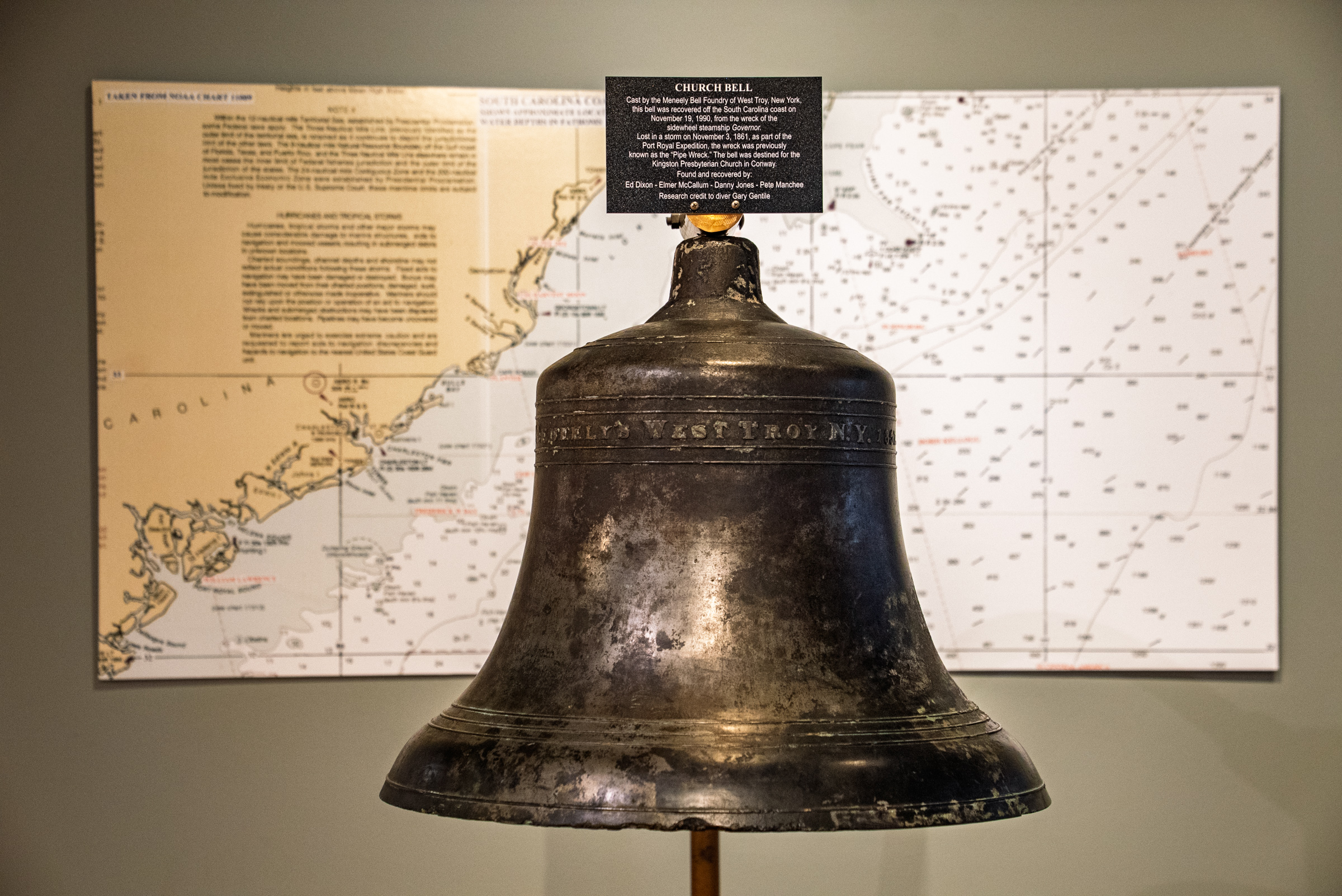
The museum features exhibits that include bricks from Browns Ferry that wrecked in the Black River in the 1740s, dive equipment that the owners’ relatives still visit, and the rotary beacon that replaced the Parisian lens.
“We just said, ‘Hey! Can we borrow that, too?’” said McIntyre, speaking of the U.S. Coast Guard, which owns both lenses. “We appreciate them being stewards of the community.”
Sharing the community’s tremendous maritime history is McIntyre’s wind beneath his sails.
“Some people are in here for two minutes and some are here for two hours. We tell ‘em start where you like, end where you like,” said McIntyre, who is genuinely excited to meet people where their interests lie.
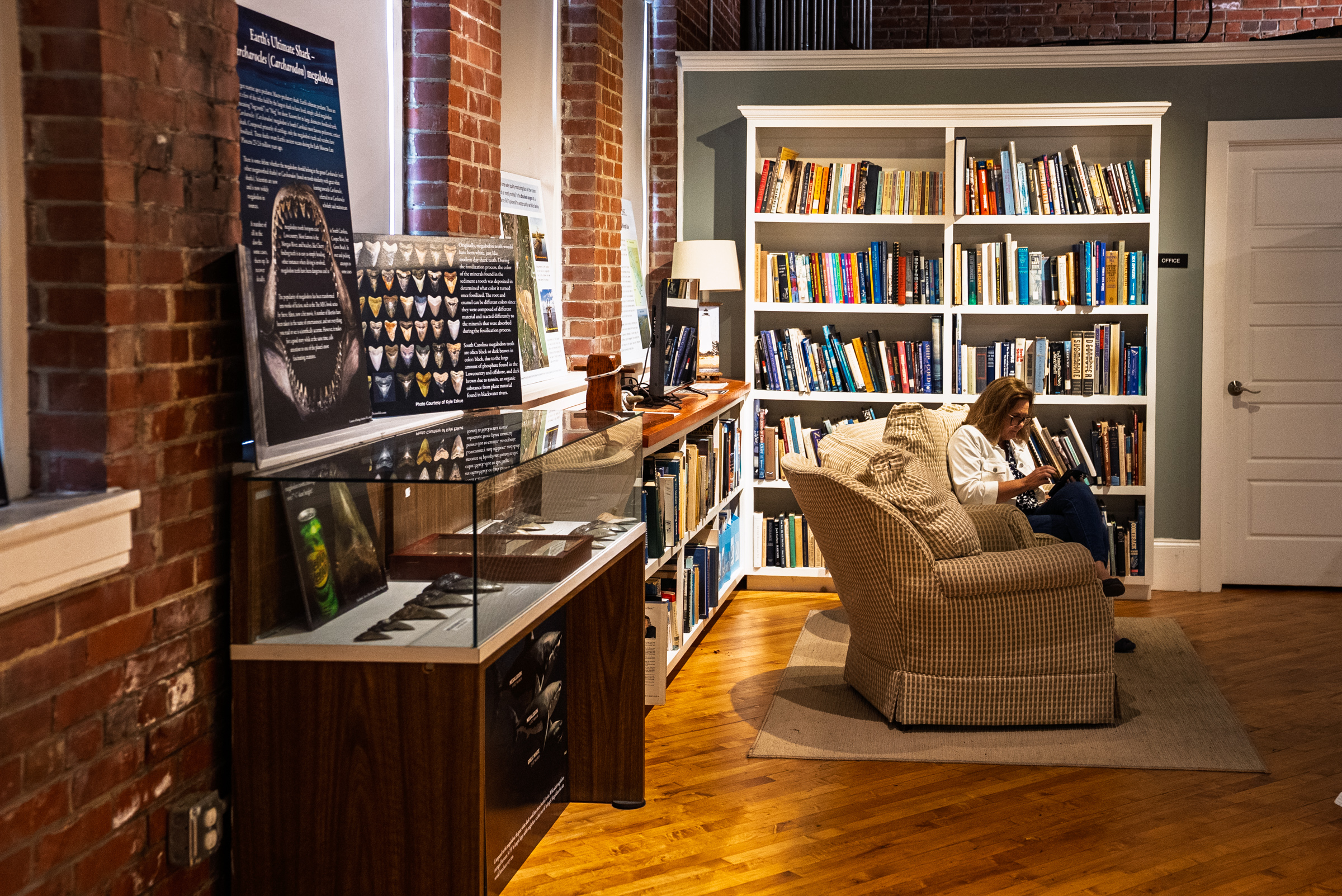
“We’re at the heart of the historic district and that brings in a lot of people. We have five walkable museums here. Culture and entertainment combined is awesome.”
It’s truly just a short walk to four other museums in the district: Kaminski House, Rice Museum, Gullah Museum and Georgetown County Museum. From cultures to cultivation, you can explore the South with just a stroll between blocks.
Preserving History While Fostering Community
In addition to its rich history, South Carolina is heralded for its efforts to preserve historical homes and buildings. One of Myrtle Beach’s iconic buildings is known as the Villa. This building is an exhibit in itself, but it also houses art pieces from around the country. A new book released with the Franklin G. Burroughs Simeon B. Chapin Myrtle Beach Art Museum chronicles the history of the home and its evolution into a beloved community center.
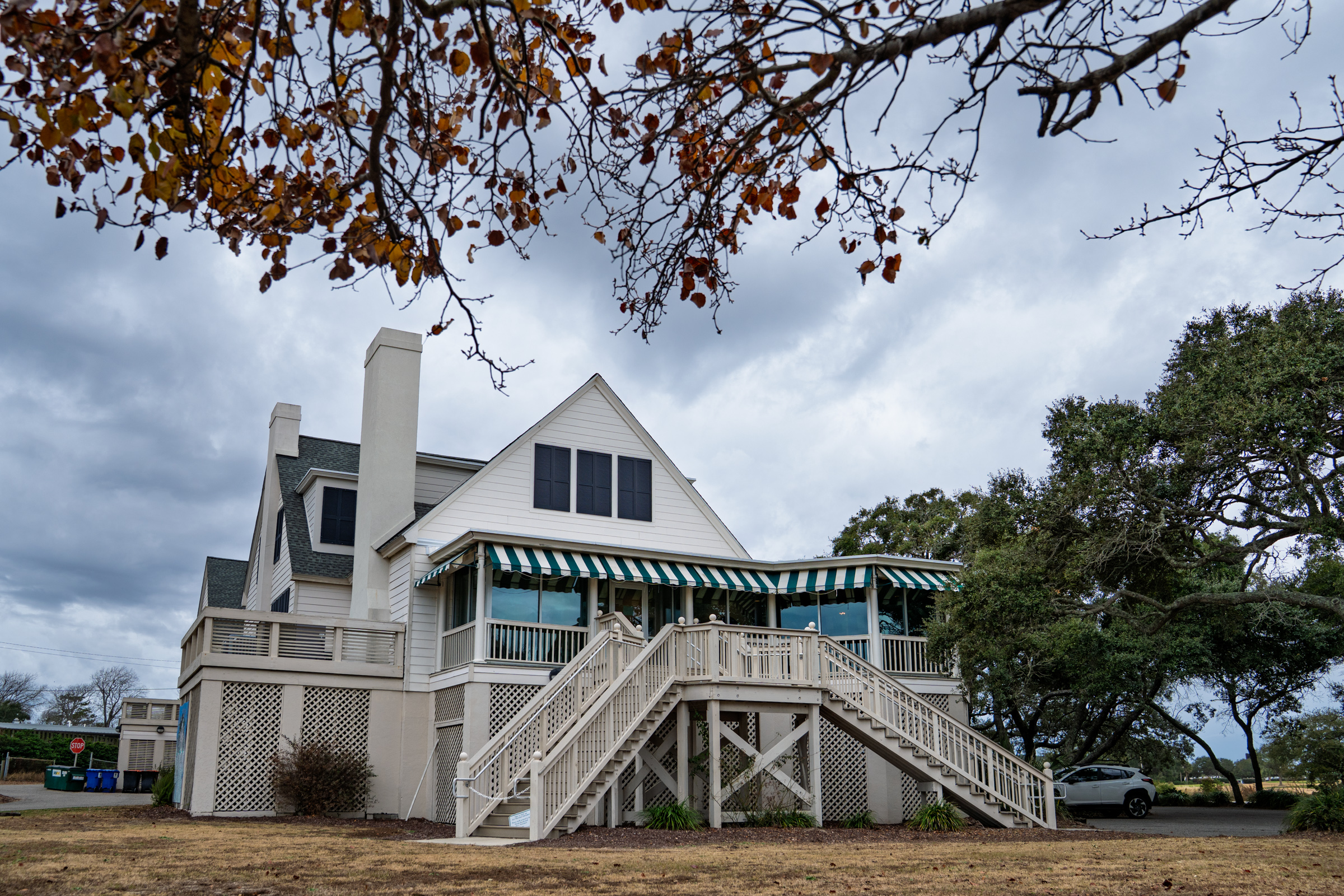
Myrtle Beach, SC
The Villa was built in 1924 in the Cabana Section of Myrtle Beach. But by 1975, it was set to be demolished. The Waccamaw Arts & Crafts Guild (led by figures like Gaye Sanders Fisher) stepped in to save it— but it had to be moved. Santee Cooper line technicians moved wires and poles during the trek down to Springmaid Beach in 1984 and provided money to help with those costs.
“What a gift,” said Pat Goodwin, Executive Director of the Franklin G. Burroughs Simeon B. Chapin Myrtle Beach Art Museum. “You have this big, luggable house come down the street, and they just jumped right in. That was huge.”
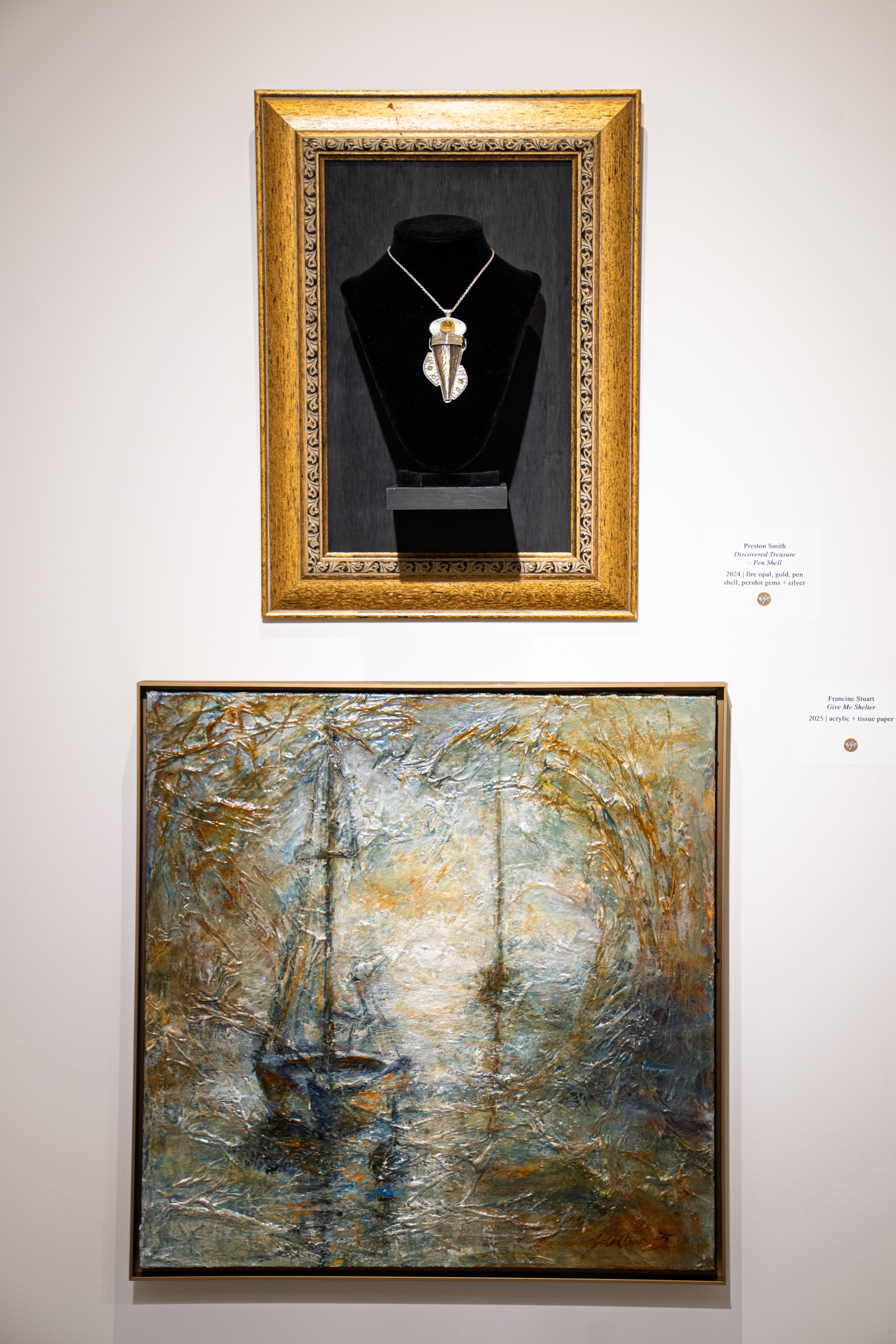

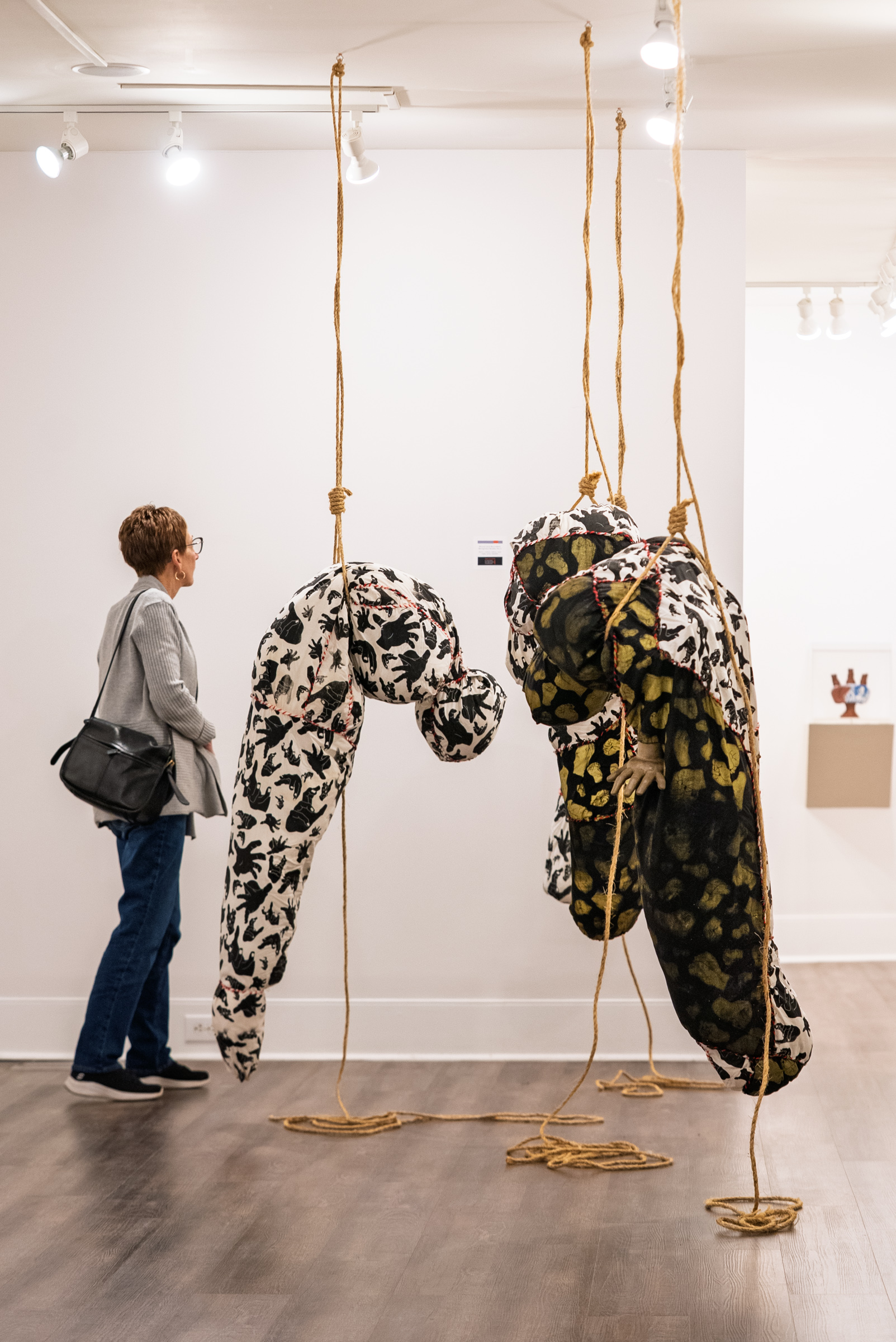
In 1991, a board looking at the next steps for the building decided they needed an addition. In 1995, the building was expanded to include a lecture room, kitchen, elevator and eventually a library and a gift shop.
A passage from the book states:
“The Villa is not just a museum but a landmark: an historic structure that survived near-demolition, hurricanes and major changes in the Myrtle Beach area. It stands as a testament to community effort—artists, volunteers, citizens, government entities—all played roles in saving it and converting it into something more than a private home. It also reinforces local identity: Myrtle Beach may be known primarily for tourism and beaches, but this museum claims a place for arts and culture, preserving history while making art accessible.”
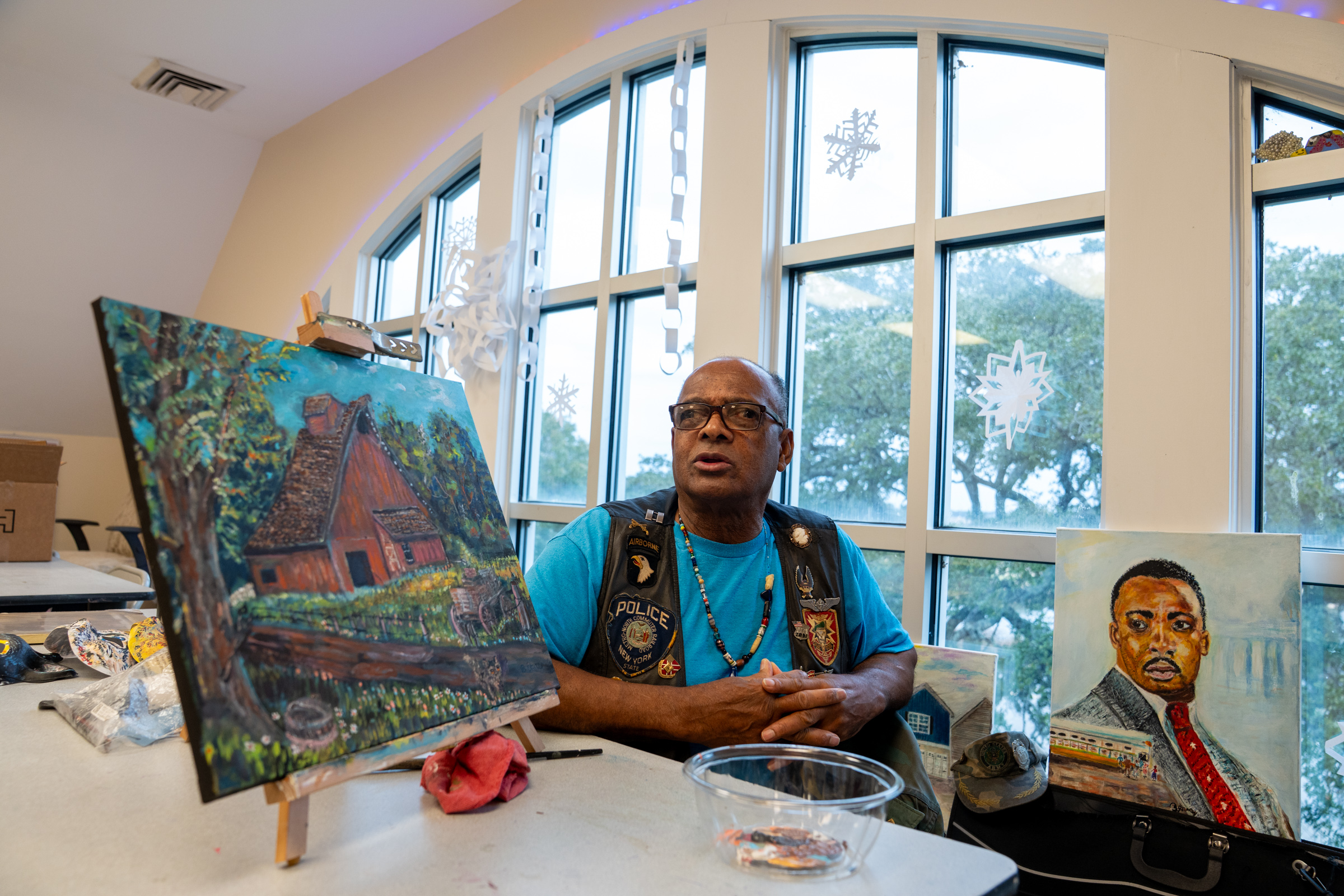
The Villa strives to be a space for everyone – it hosts classes for children and families, as well as veterans.
“It helps the mind,” said Bruce Wayne Jones, who spends his third Thursdays of the month at the museum, painting his masterpieces.
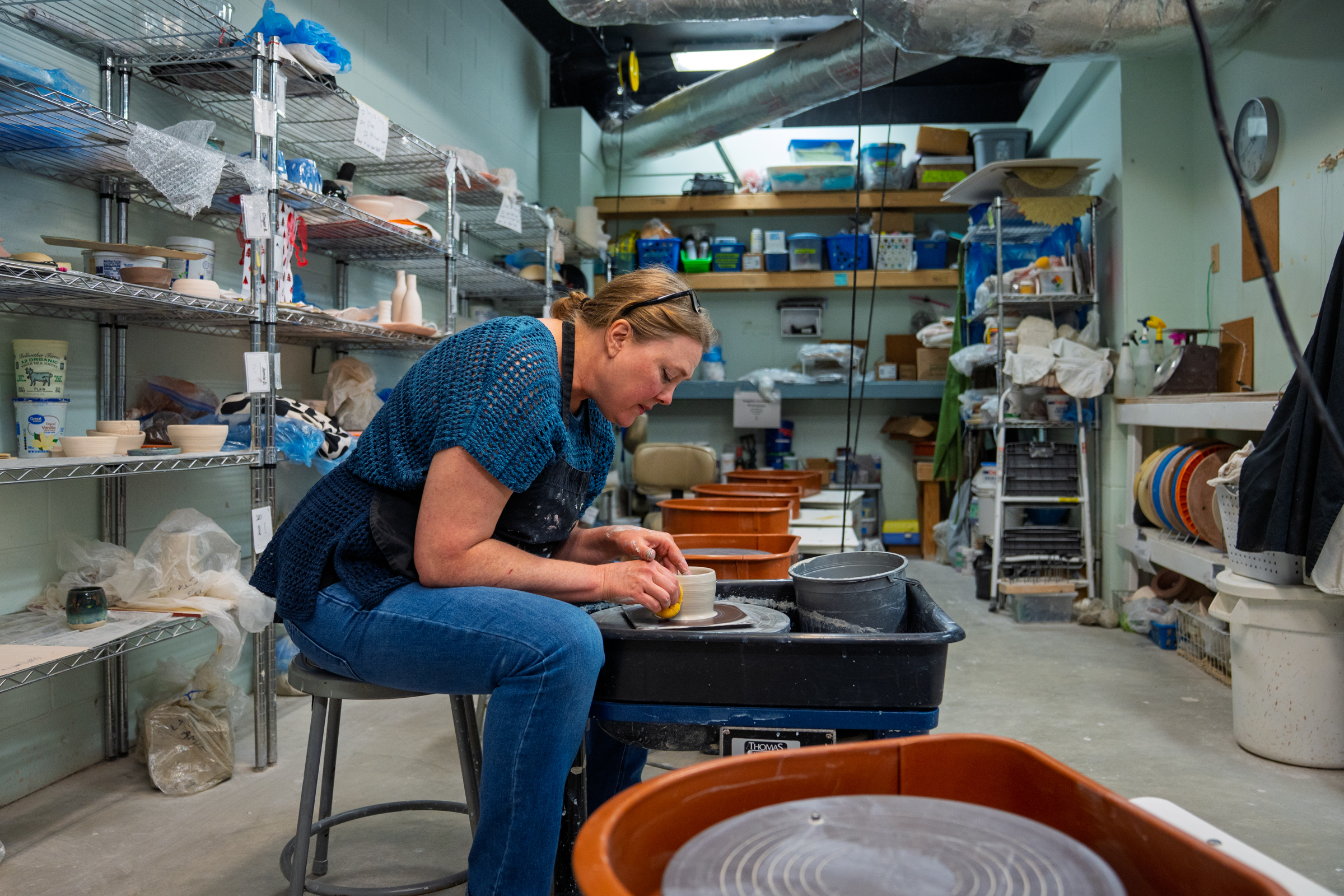
The small pottery studio in the basement of the museum is one of its most popular attractions.
“We may have the smallest pottery studio in South Carolina, but we have the most popular,” said Goodwin. “There are over 200 people on the waiting list.”
The museum hosts regular exhibits from the Waccamaw Arts Guild, which is still in appreciation for having the building moved. It shows the talents of local artists and, besides the gift shop, is the only area where you can find works for sale.
“If you want to find great art, it’s here,” said Goodwin. “This is where you start.”
Exploring 12,000 Years of History
The Berkeley County Museum and Heritage Center in Moncks Corner is another “can’t miss” stop for American history buffs.
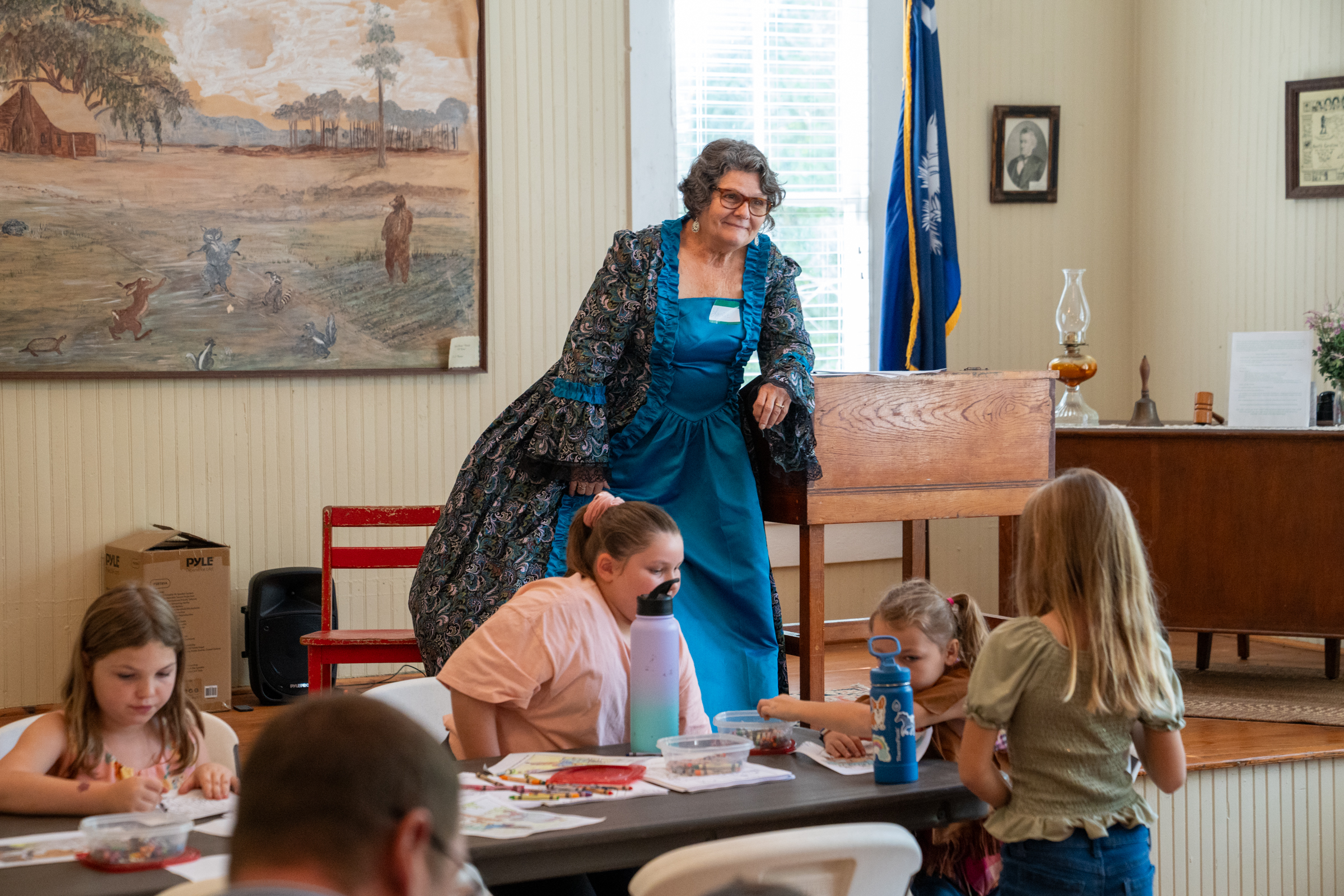
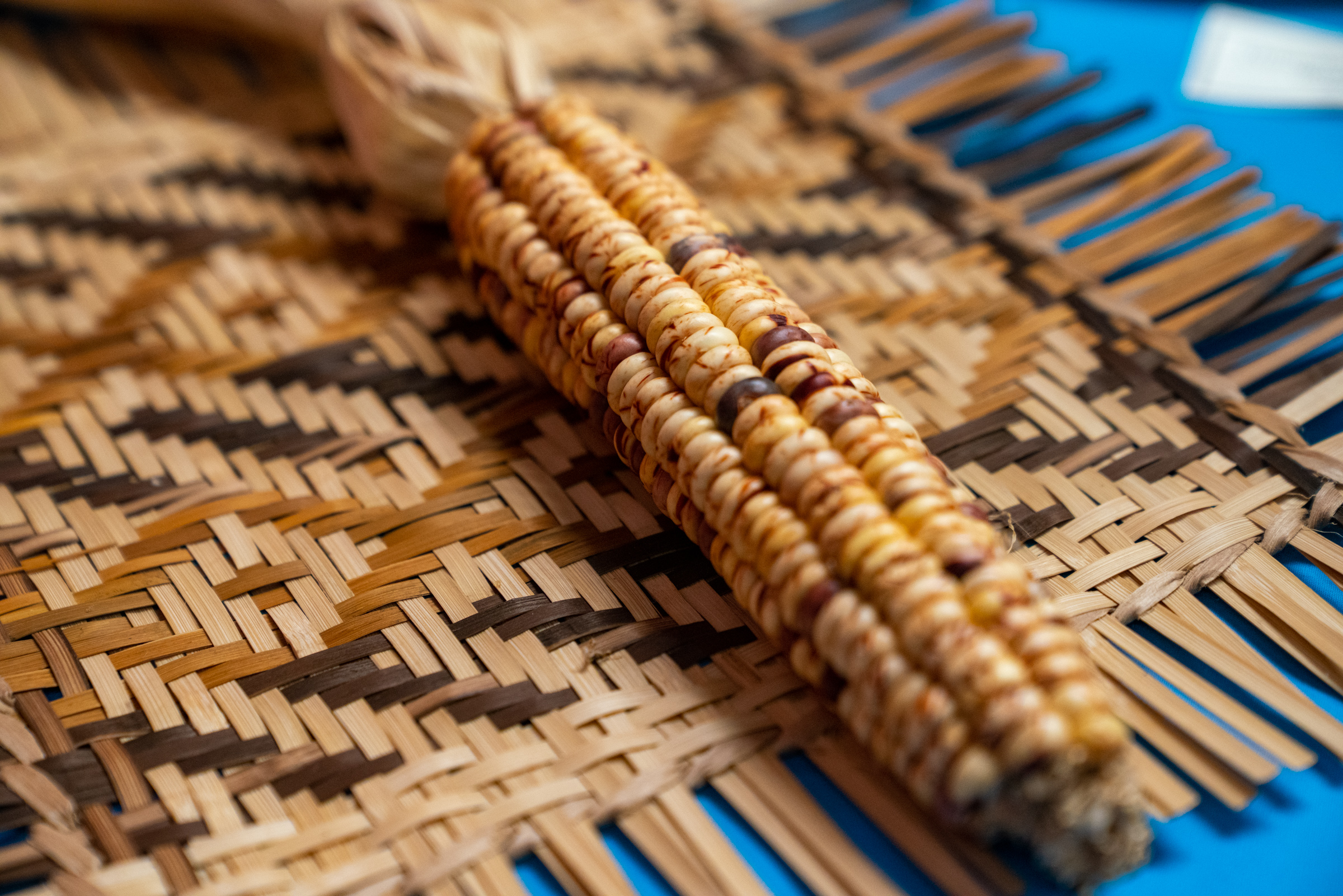
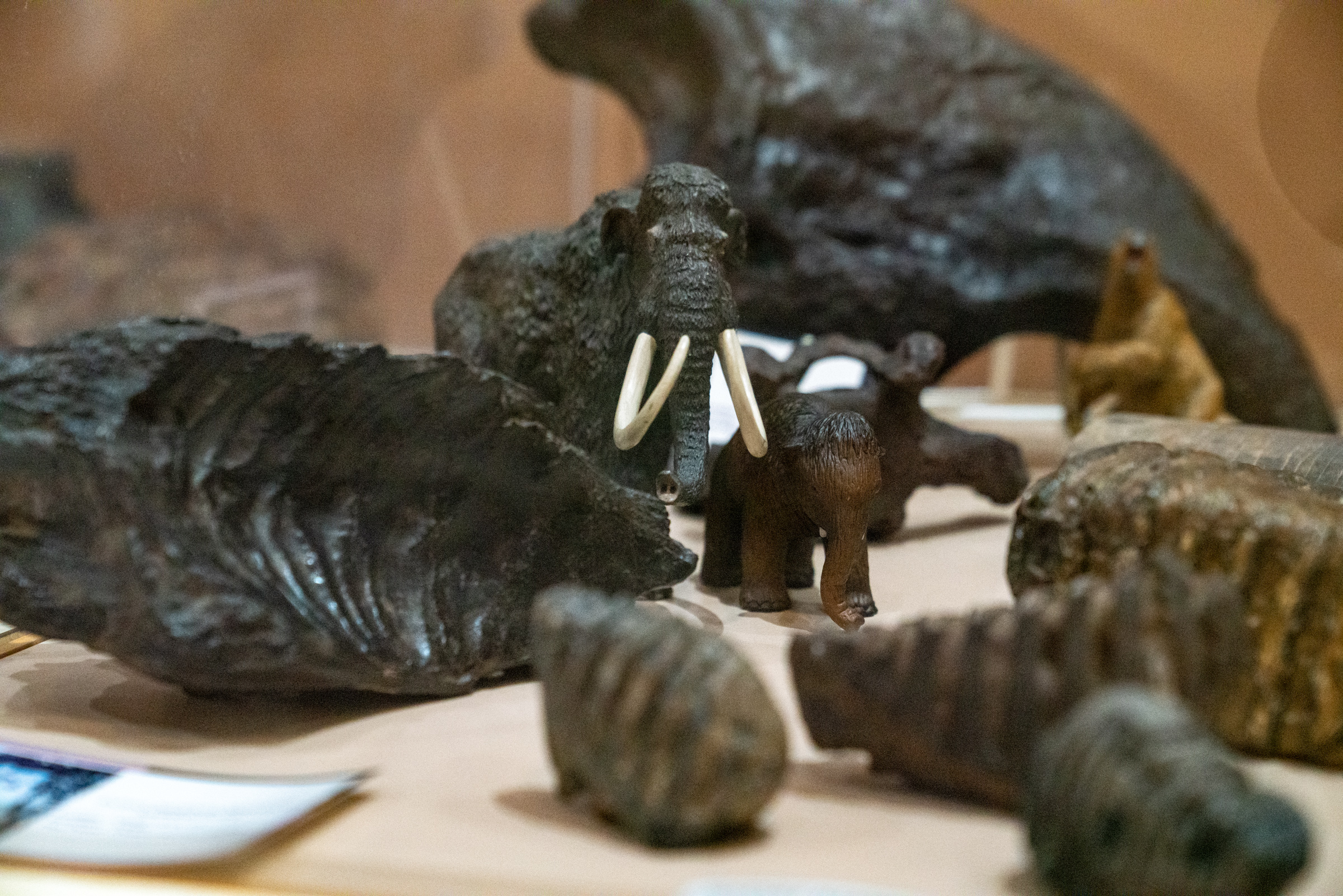
“We’ve been open since 1992, but we have thousands of years of local history on display,” said Museum Director Chelsy Clark Proper. “So much has happened in Berkeley County and the Lowcountry!”
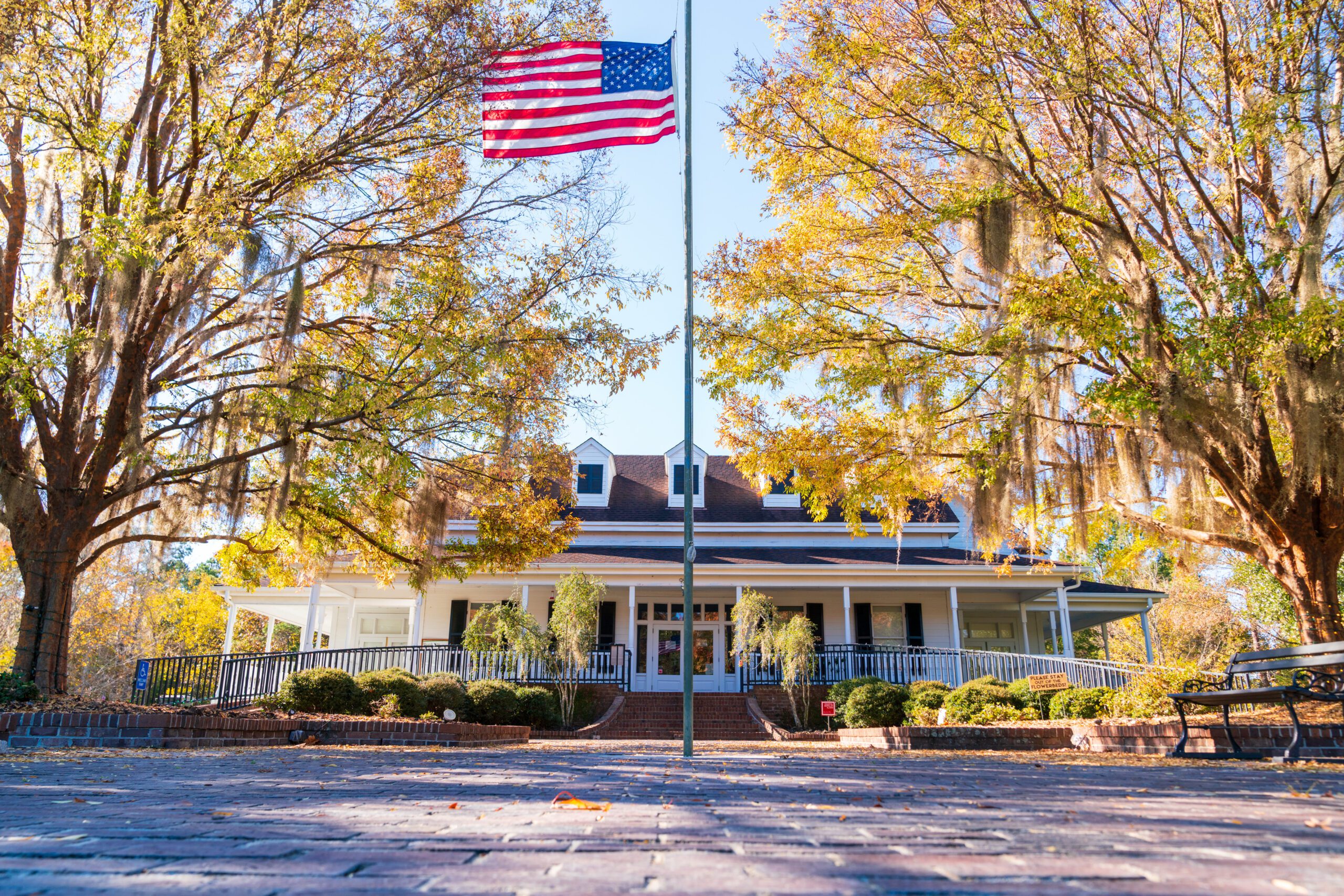
Surrounded by grand old oaks dripping with Spanish moss and the lush grounds of Old Santee Canal Park, the museum welcomes visitors with a wide Southern porch. Inside, visitors can learn about the area’s Native American history and the pivotal role the area played in the Revolutionary War.
Moncks Corner, S.C.
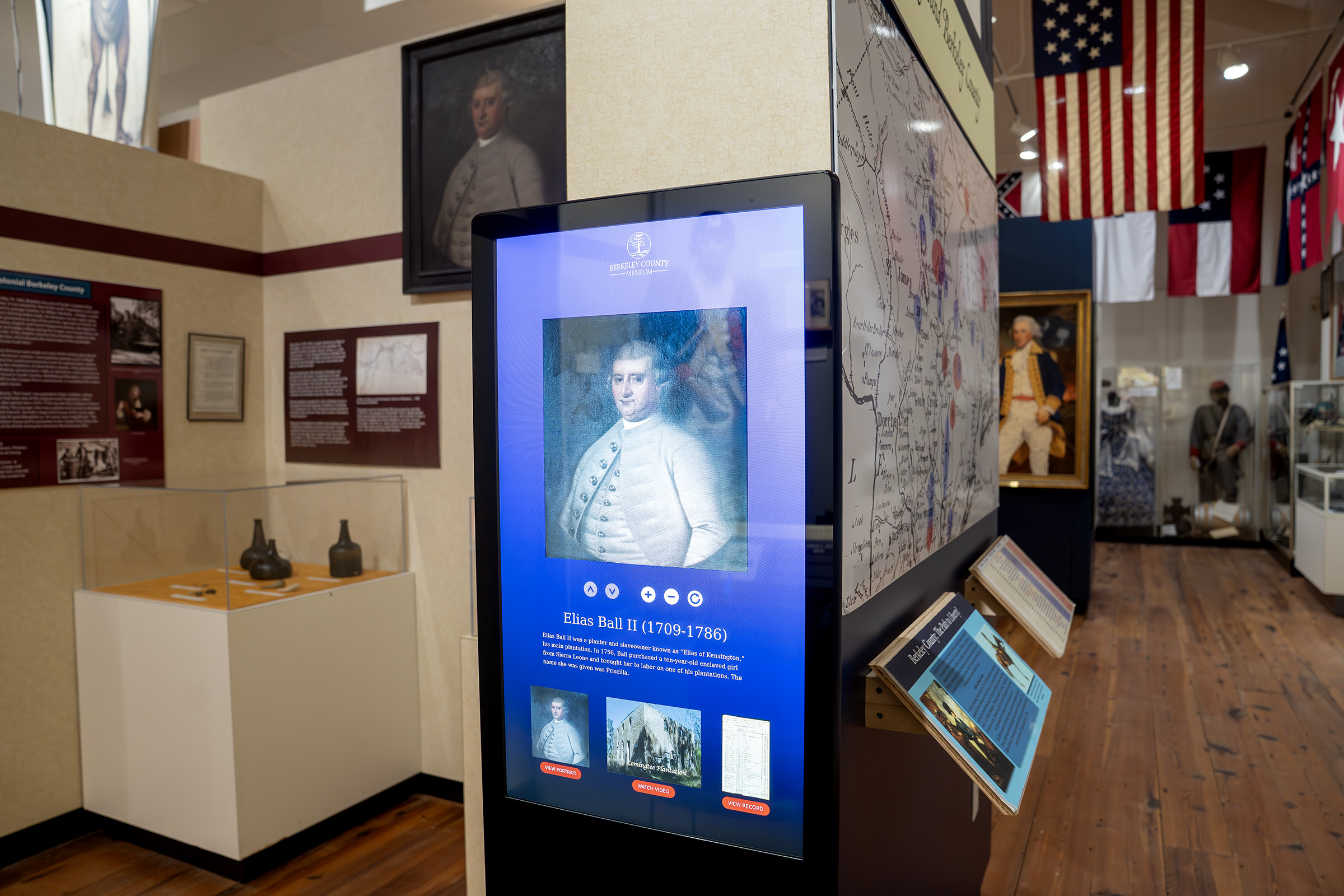
“Right now, we’re focusing on the 250th anniversary of the American Revolution,” said Proper. “We have a new (July 2025) digital kiosk exhibit that focuses on Berkeley County in the Revolution. It’s really popular!”
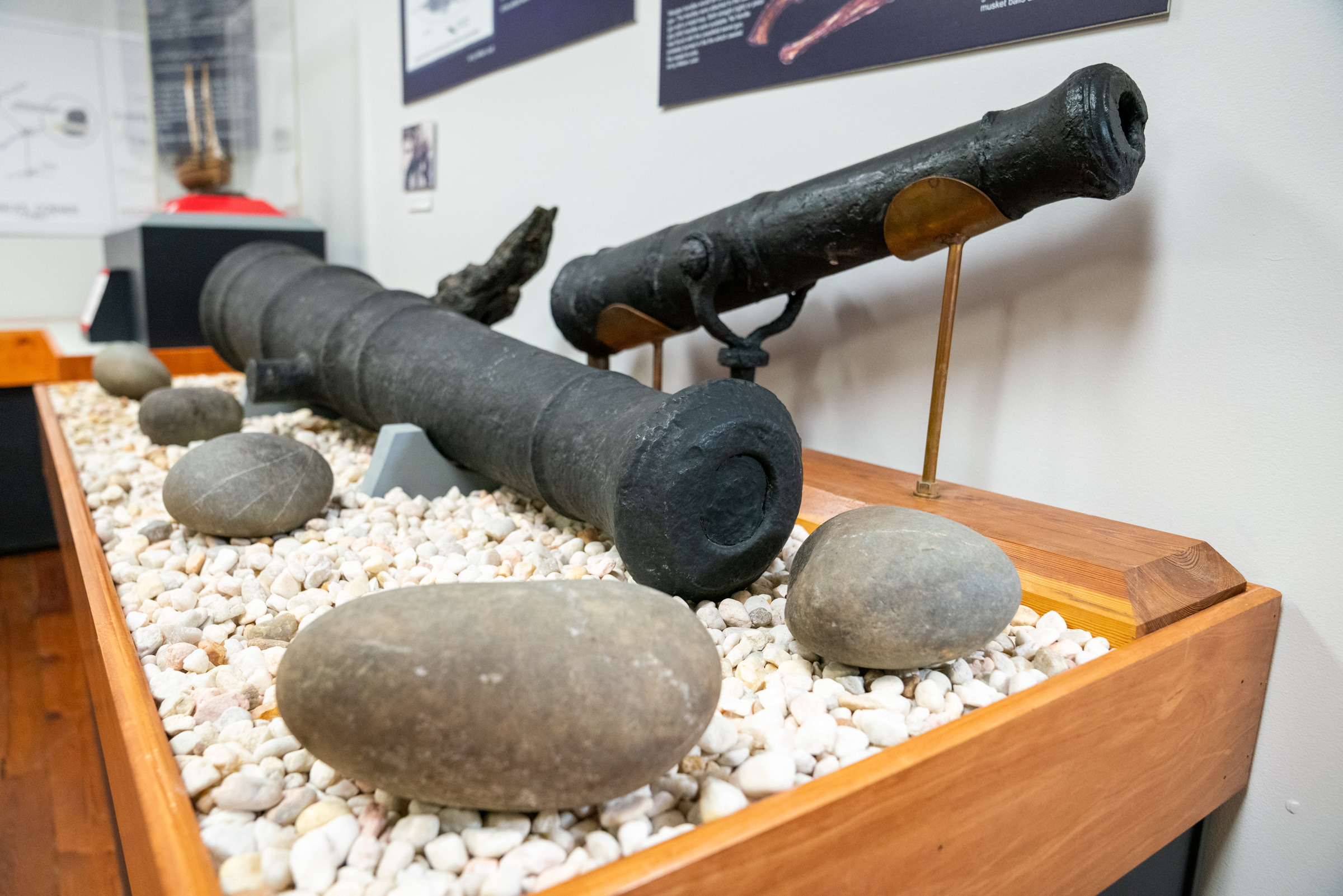
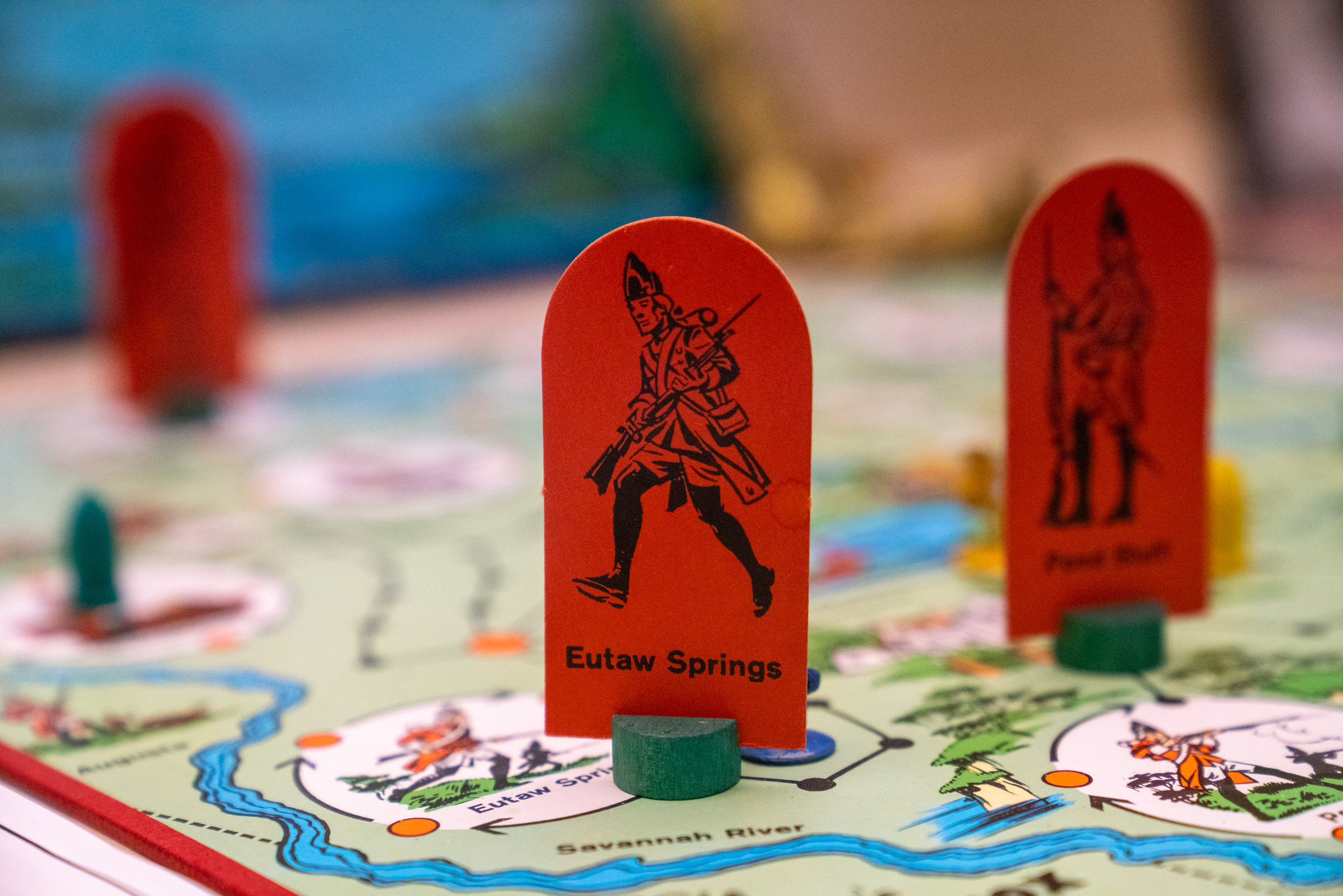
Another popular attraction is the park’s replica of Little David, a Civil-War era torpedo boat. Visitors can also learn about the Santee Cooper Project and how Lake Marion and Lake Moultrie were developed. Now the state’s largest freshwater source, the Santee Cooper Lakes were built to bring power to rural South Carolina. Excavation started at Pinopolis on May 15, 1939. In signing, President Franklin Roosevelt said, “I am convinced that its construction will not only serve to overcome the distress caused by unemployment, but will also permanently contribute to the economic development of the Southeast.”
In February 1941, the threat of World War II prompted the National Defense Board to declare Santee Cooper “necessary for national defense,” which sped up progress on the completion of the project. The construction took only two years, six months and 26 days from the initial clearing to the impounding of the waters of the Santee River.
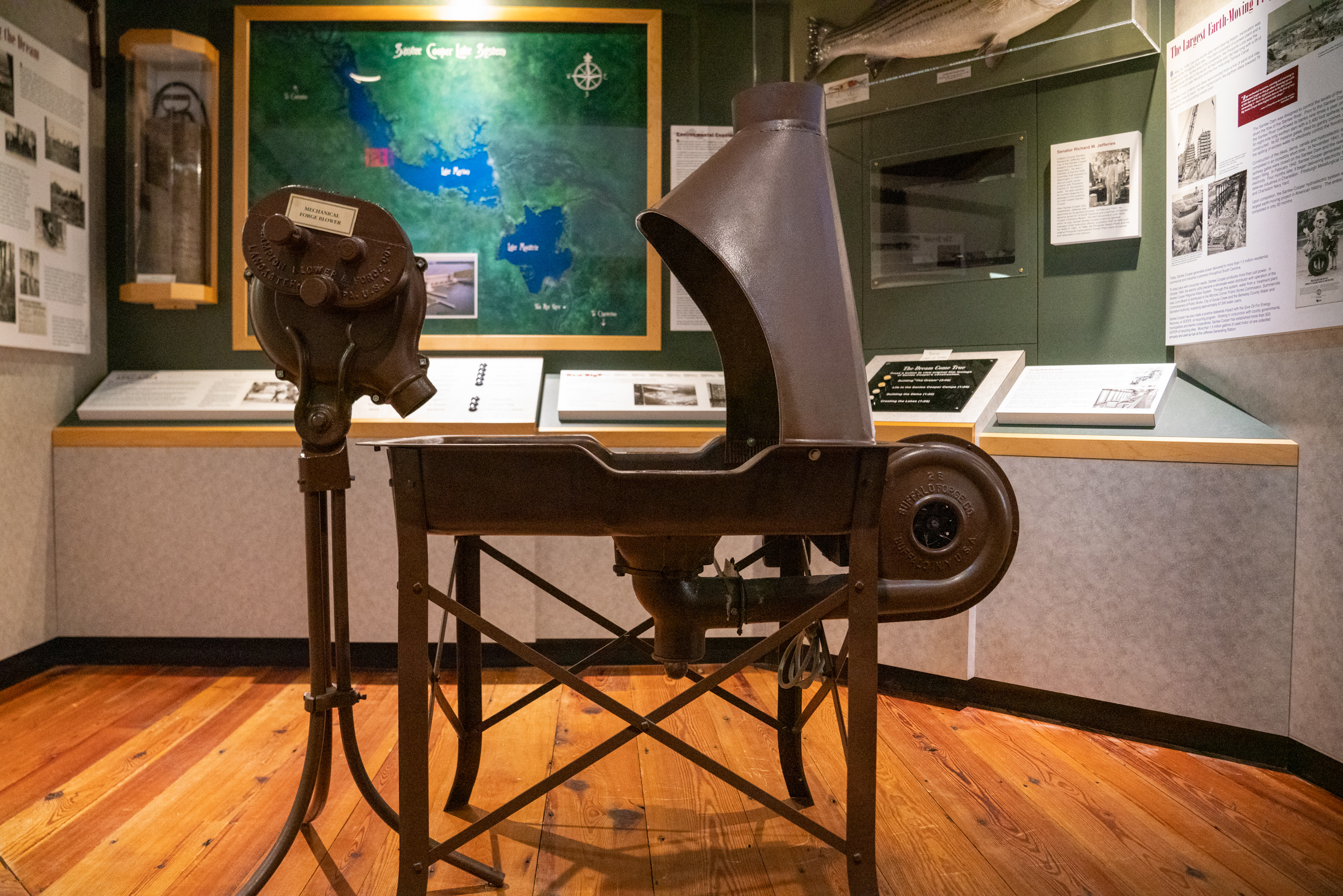
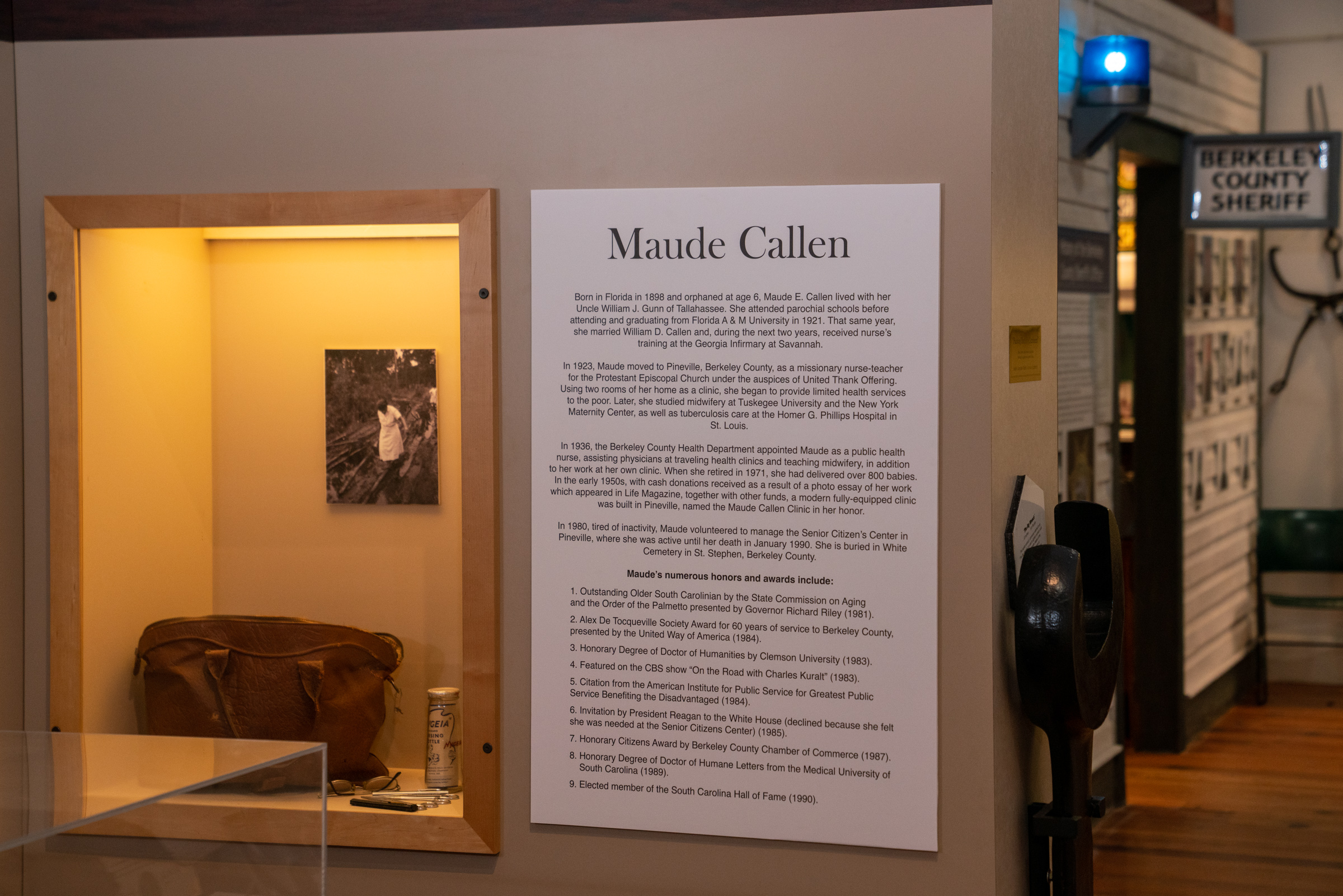
“We have several tools on display that were used in construction of the lakes, including ‘the big wrench’ and a forge,” said Proper.
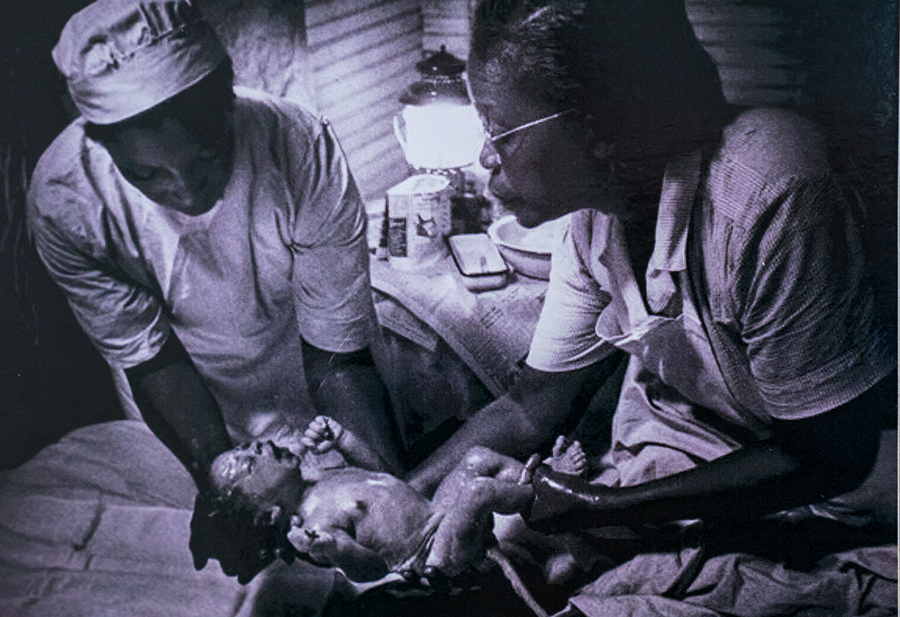
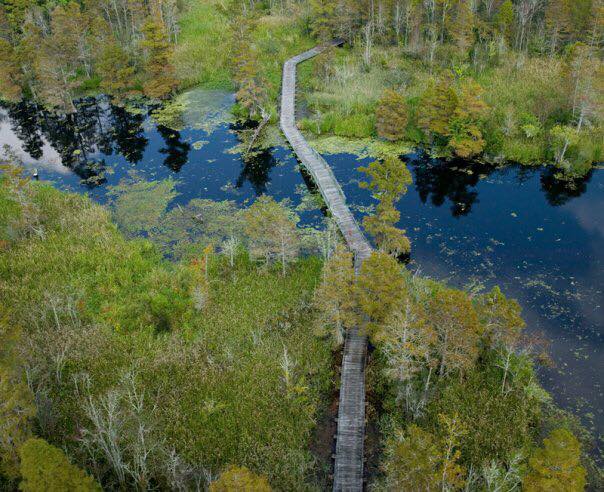
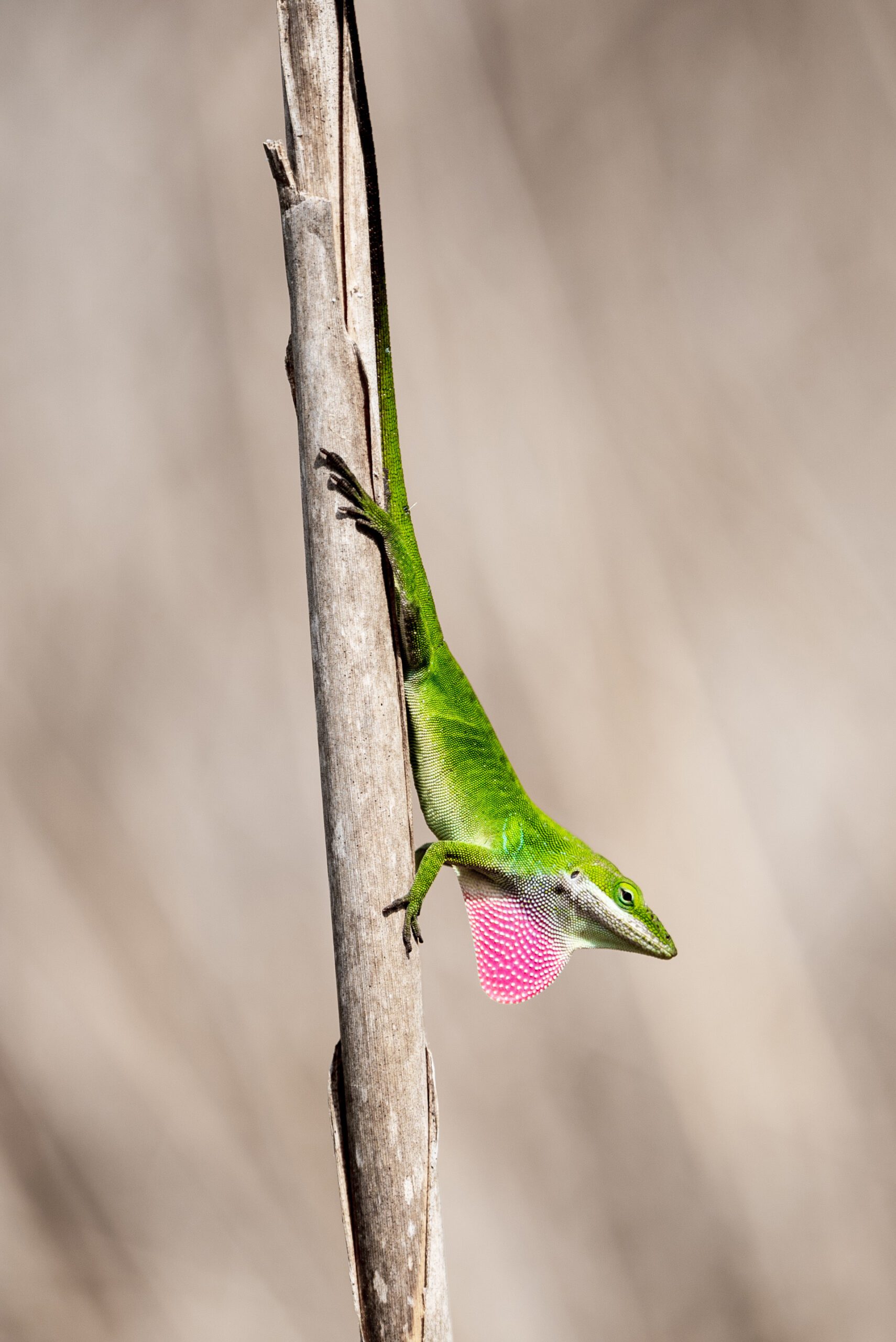
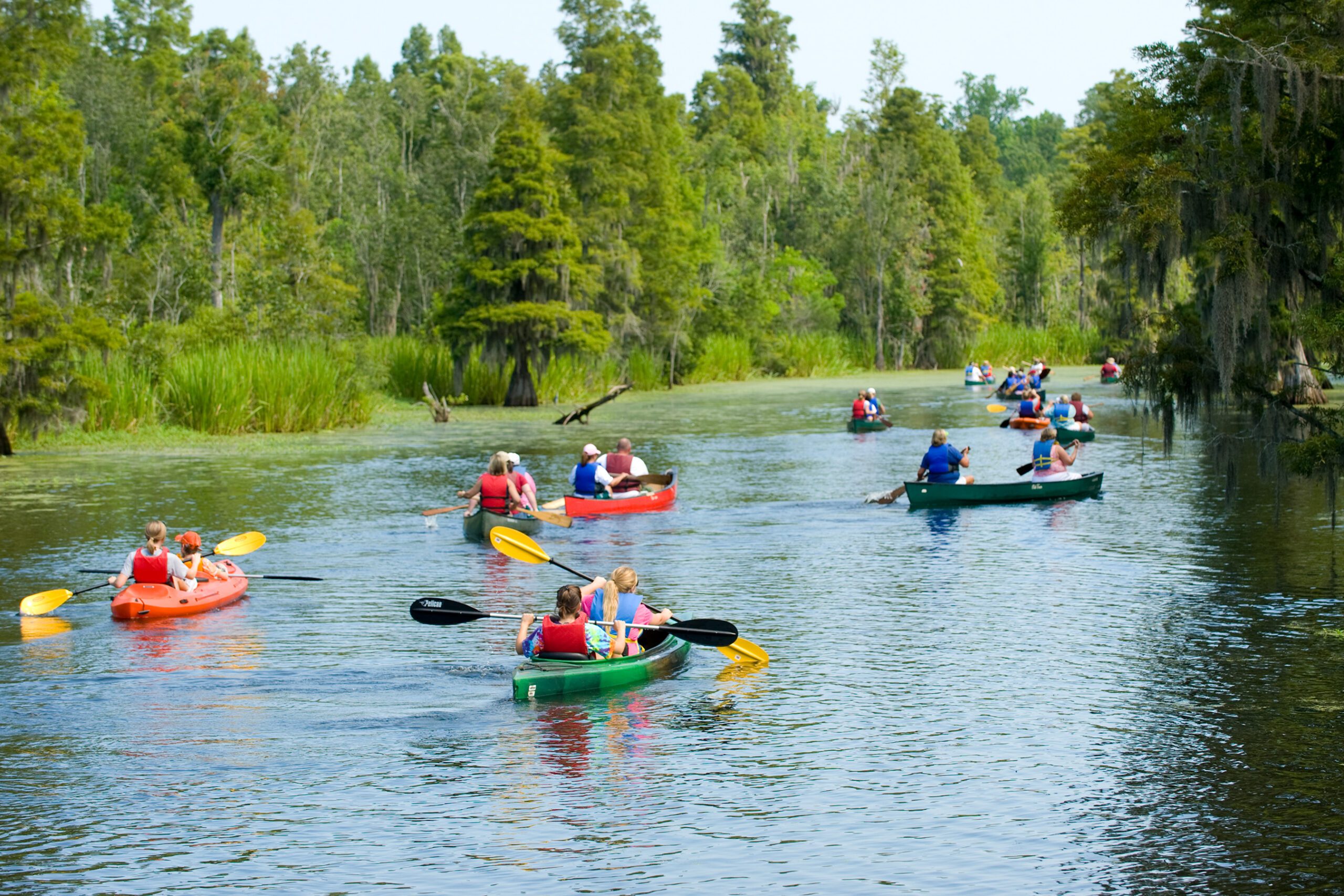
However, history isn’t just contained to the museum. Old Santee Canal Park also boasts over four miles of trails that offer a glimpse of the Lowcountry’s unique landscape and wildlife. Proper notes this combination of history and habitat attracts people across the globe.
“We’ve had visitors from across the world! This year the farthest away is South Africa,” said Proper. “Last year we had visitors from Hong Kong.”
More Than a Day Trip
These museums offer more than just a day trip – it’s an invitation to slow down, explore, and connect with South Carolina’s history, art and culture.